Grow Four Plants. Make Your Own Salsa.
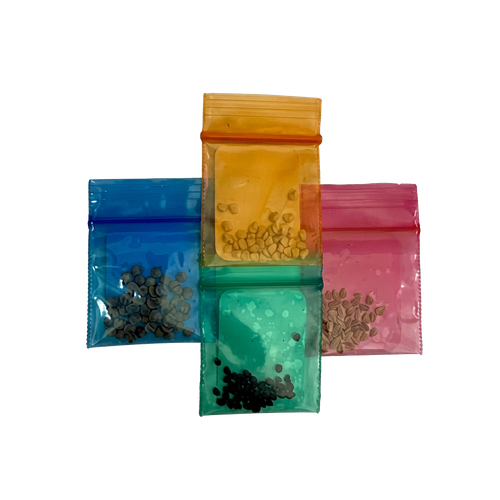
The Living Lab Seeds Salsa Garden bundle packs four seed varieties into one pack: jalapeño pepper, cherry tomato, cilantro, and chives. Plant all four and students (or your own backyard garden) end up with a real, edible payoff — the core ingredients for homemade salsa — while also getting a live comparison of four plants with very different growing timelines, from a 40-day herb to an 85-day pepper.
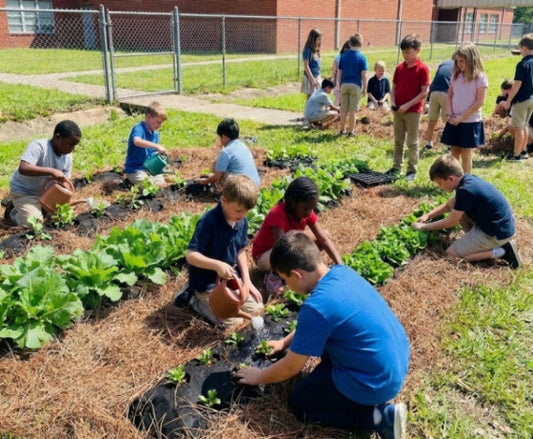
It's a project with a clear finish line that isn't just "the plant grew" — it's "we made salsa from what we grew," which makes it one of the easiest garden-to-kitchen tie-ins you can run in a classroom or after-school program.
Why These Four
-
Cherry tomato — the base of any salsa, and a genuine season-long project: 55–80 days from seed to fruit, needing consistent warmth to finish.
-
Jalapeño pepper — the heat. The slowest of the four at 70–85 days, jalapeño rewards patience and is a good lesson in how peppers need a longer, warmer season than most classroom vegetables.
-
Cilantro — the fresh, herbal top note in salsa, and one of the faster crops in the pack at 45–70 days.
-
Chives — salsa traditionally calls for onion, and chives are the classroom-friendly stand-in: the fastest variety in this pack (40–60 days), with a mild onion flavor that works well chopped fine into a fresh salsa.
Planting all four on the same day turns a seed pack into a real comparison activity: chives and cilantro come in first, tomato follows, and jalapeño is the long game — a natural lesson in how different plants (and different fruits vs. leaves) take different amounts of time to mature.
What's in the Bundle
- 1 packet jalapeño pepper seeds (Living Lab Seeds branded, ~60 seeds)
- 1 packet cherry tomato seeds (~60 seeds)
- 1 packet cilantro seeds (~50 seeds)
- 1 packet chives seeds (~60 seeds)
(Seeds only — soil, containers, and tools are not included. Pairs naturally with any FTF raised-bed kit, hydroponics kit, or your own classroom pots and trays.)
Growing Basics (general guidance)
| Variety |
Approx. seed count |
Days to harvest |
Light needs |
Notes |
| Chives |
~60 seeds |
40–60 days |
Full sun |
Fastest of the four; perennial, comes back season after season; mild onion flavor stands in for salsa's usual onion |
| Cilantro |
~50 seeds |
45–70 days |
Full sun to part shade |
Fast-growing herb; bolts (goes to seed) quickly in heat, so it's a good early-harvest lesson |
| Cherry Tomato |
~60 seeds |
55–80 days |
Full sun |
The salsa base; needs warm, consistent conditions to fruit |
| Jalapeño Pepper |
~60 seeds |
70–85 days |
Full sun |
Slowest of the four; needs the longest, warmest season — a good lesson in pepper vs. leafy-crop timelines |
Because these four range from a 40-day herb to an 85-day pepper, this bundle works well as a planting-to-harvest timeline activity — track and graph which variety is ready first, and use the tomato and jalapeño's longer timelines to talk about what fruiting plants need that leafy herbs don't (more heat, more time, pollination).
From Garden to Salsa
Once the tomatoes have ripened and the jalapeños have sized up and colored, the harvest goes straight into a simple recipe: dice tomato and jalapeño, chop cilantro and chives fine, add a squeeze of lime and a pinch of salt. For a classroom, that's a natural life-skills and nutrition tie-in that turns a multi-week growing unit into a shared meal or tasting activity at the end — not just an observation log that ends when the plant is done growing.
A note on jalapeños: jalapeños contain capsaicin, the compound that makes peppers spicy. It's mild in jalapeños compared to hotter peppers, but remind students (or family members) to wash hands after handling and avoid touching eyes or face — standard practice with any pepper harvest.
Who It's For
-
Classrooms and after-school programs running a garden-to-kitchen or plant-comparison unit
-
Teachers who want a growing project with a clear, shareable, edible outcome
-
Home gardeners and families who want to grow their own salsa ingredients from scratch
-
Garden clubs and STEM programs looking for an inexpensive, high-engagement add-on to a larger garden bed or hydroponics setup
FAQ
Q: What seeds are included in the Salsa Garden bundle? A: Four seed packets: jalapeño pepper, cherry tomato, cilantro, and chives — all under the Living Lab Seeds brand.
Q: Does this include soil, pots, or growing tools? A: No, this bundle is seeds only. It's designed to pair with a garden bed, hydroponics kit, or your own pots and trays.
Q: Which of the four seeds grows the fastest? A: Chives are the fastest, typically ready in 40–60 days, followed by cilantro at 45–70 days. Cherry tomato takes 55–80 days, and jalapeño pepper is the slowest at 70–85 days.
Q: How many seeds are in each packet? A: Approximately 60 jalapeño pepper seeds, 60 cherry tomato seeds, 50 cilantro seeds, and 60 chives seeds.
Q: Can these be grown indoors? A: Cilantro and chives can be started and grown indoors on a sunny windowsill or under classroom grow lights. Cherry tomato and jalapeño can be started indoors but need a lot of warmth and light to fruit, and typically do best moved outdoors (or into a greenhouse or hydroponics setup) once they're established.
Q: Is this good for a classroom science lesson? A: Yes — planting all four on the same day creates a natural comparison activity, since each variety matures at a different rate. It also connects plant science to a real-world outcome (making salsa), which works well as a garden-to-kitchen or nutrition tie-in.
Q: Can you really make salsa from what you grow? A: Yes. Cherry tomato is the base, jalapeño provides the heat, and cilantro and chives add the fresh, herbal flavor. Once the tomatoes and peppers are ripe, they can be diced and combined with the chopped herbs for a simple homemade salsa.
Q: Are jalapeños safe for students to handle? A: Jalapeños are a mild pepper, but they do contain capsaicin, the compound that makes peppers spicy. Wash hands after handling and avoid touching eyes or face, which is standard practice with any pepper harvest.
Q: Is this a one-time-use seed pack, or can I save seeds for next season? A: Each packet contains enough seed for a single planting cycle as sold. Chives are a perennial and will regrow from the same plant in future seasons without replanting.
Q: How much does the Salsa Garden bundle cost? A: $7.99 for all four seed packets.