A Garden Built for Pollinators, Not Just Flowers
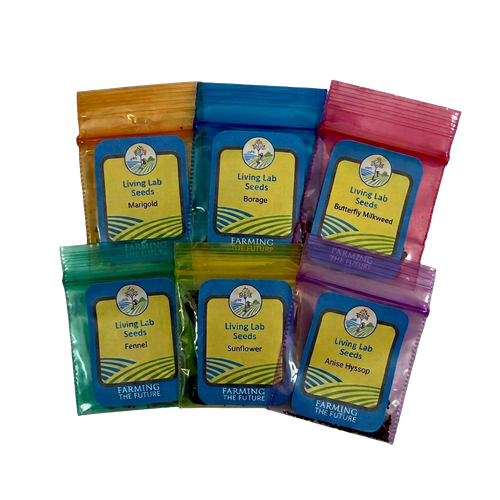
The Living Lab Seeds Pollinator Garden bundle isn't a random flower mix — it's six specific varieties chosen for what they do for pollinators, not just how they look. Two of the six are host plants, meaning butterflies lay their eggs on them and caterpillars actually eat the leaves. The other four are strong nectar plants that feed adult bees, butterflies, and hummingbirds once they arrive. Planted together, they form a small but genuinely functional pollinator habitat — the same host-plant-plus-nectar-plant structure real pollinator conservation programs are built around.
The Six Varieties, and What Each One Does
-
Butterfly milkweed (Asclepias tuberosa) — the host plant monarch butterflies depend on. Monarch caterpillars eat only milkweed leaves, making this the single most important plant in the pack for supporting the monarch life cycle. A perennial; germination is slower than the others and benefits from a cold period before planting (see growing notes below).
-
Fennel — a host plant for black swallowtail butterfly caterpillars, which feed on its feathery leaves. Doubles as a culinary herb once established.
-
Marigold — a fast, easy-to-grow nectar plant that also helps deter certain garden pests, making it a reliable anchor plant for a first-time pollinator garden.
-
Borage — a fast-blooming nectar plant especially attractive to bees, with edible, cucumber-flavored flowers.
-
Sunflower — a tall, unmistakable pollinator magnet for bees, and a later food source for birds once it goes to seed.
-
Anise hyssop — a licorice-scented perennial that draws bees, butterflies, and hummingbirds, and holds nectar later into the season than most of the others.
Why Host Plants and Nectar Plants Both Matter
This is the core idea worth teaching alongside the planting: a pollinator garden that's all nectar plants can feed adult butterflies but gives them nowhere to raise the next generation. Butterfly milkweed and fennel close that gap — plant them and you're not just attracting monarchs and swallowtails, you're supporting their full life cycle, egg to caterpillar to chrysalis to adult. That distinction (host plant vs. nectar plant) is the single best "aha" moment this bundle offers a classroom.
What's in the Bundle
- 1 packet butterfly milkweed seeds
- 1 packet fennel seeds
- 1 packet marigold seeds
- 1 packet borage seeds
- 1 packet sunflower seeds
- 1 packet anise hyssop seeds
(Seeds only — soil, containers, and tools are not included. Pairs naturally with any FTF raised-bed kit, hydroponics kit, or an existing outdoor classroom garden.)
Growing Basics (general guidance)
| Variety |
Germination |
Life cycle |
Light needs |
Role in the garden |
| Butterfly Milkweed |
Slower, ~10–20 days; germinates more reliably after a cold period (cold-stratification) |
Perennial |
Full sun |
Host plant — monarch butterfly caterpillar food source |
| Fennel |
~10–14 days |
Perennial in mild climates, often grown as annual |
Full sun |
Host plant — black swallowtail caterpillar food source |
| Marigold |
~5–7 days |
Annual |
Full sun |
Nectar plant; fast and beginner-friendly |
| Borage |
~7–14 days |
Annual (self-seeds readily) |
Full sun |
Nectar plant; strong bee attractant |
| Sunflower |
~7–10 days |
Annual |
Full sun |
Nectar plant; later a bird food source |
| Anise Hyssop |
~10–15 days |
Perennial |
Full sun |
Nectar plant; blooms later in the season |
A Note on Safety
Butterfly milkweed sap can mildly irritate skin or eyes on contact and is not meant to be eaten. This is normal for milkweed species and part of what makes it unpalatable to most animals except monarch caterpillars, who have evolved to handle it. As with any garden plant, have younger students wash their hands after handling it and avoid touching eyes or mouth during planting and care.
Classroom & Conservation Tie-In
A garden with both host and nectar plants is exactly the kind of habitat recognized by pollinator conservation programs such as Monarch Watch's Monarch Waystation program, which certifies gardens that provide milkweed and a range of nectar sources for monarchs. This bundle won't automatically meet every certification requirement on its own (those programs typically specify minimum plant counts and garden size), but it's a genuine starting point if your class wants to work toward a certified pollinator habitat as a semester or year-long project.
Who It's For
-
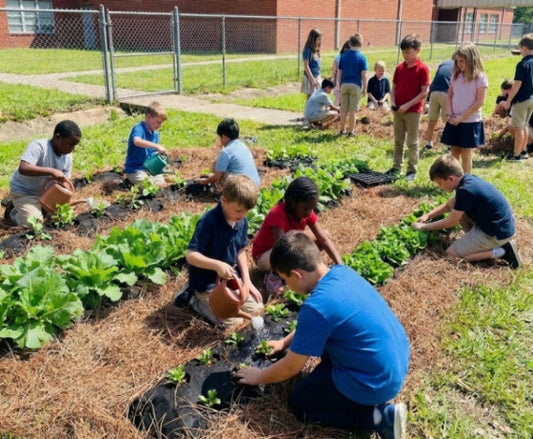
Classrooms and after-school programs teaching pollinator life cycles, ecosystems, or plant-animal relationships
-
Teachers looking for a garden project with a clear before/after payoff — watching actual butterflies and bees use what students planted
-
Garden clubs and outdoor classroom programs building or expanding a schoolyard habitat
-
Families and home gardeners who want to support monarchs and other pollinators with an intentional, functional planting
FAQ
Q: What seeds are included in the Pollinator Garden bundle? A: Six seed packets: butterfly milkweed, fennel, marigold, borage, sunflower, and anise hyssop, all under the Living Lab Seeds brand.
Q: Why does the bundle include milkweed specifically? A: Butterfly milkweed is the only plant monarch butterfly caterpillars eat. Without milkweed, a garden can feed adult monarchs but can't support their full life cycle.
Q: Does fennel really matter for butterflies? A: Yes. Fennel is a host plant for black swallowtail butterflies, whose caterpillars feed on its leaves, similar to the role milkweed plays for monarchs.
Q: Is butterfly milkweed safe for kids to plant and handle? A: Yes, with normal gardening precautions. Milkweed sap can mildly irritate skin or eyes on contact and isn't meant to be eaten, so have students wash their hands after handling it, as with any garden plant.
Q: Does this include soil, pots, or tools? A: No, this bundle is seeds only. It pairs well with a raised-bed kit, hydroponics setup, or an existing garden space.
Q: Which seeds germinate fastest? A: Marigold and sunflower are typically the fastest, germinating in about 5–10 days. Butterfly milkweed is the slowest and often germinates better after a cold period before planting.
Q: Can this garden get certified as an official monarch habitat? A: Programs like Monarch Watch's Monarch Waystation certify gardens that include milkweed and a range of nectar plants, which this bundle is built around. Certification typically has its own size and plant-count requirements, so check the current program guidelines if that's your class's goal — this bundle is a strong starting point, not an automatic qualifier.
Q: Are any of these plants edible? A: Fennel and borage are both culinary plants — fennel is used as an herb and vegetable, and borage flowers are edible with a cucumber-like flavor. Milkweed is not edible.
Q: How much does the Pollinator Garden bundle cost? A: $9.99 for all six seed packets.